On this page
The short answer
Cactus gel is a cosmetic gel whose main active ingredient is usually Opuntia ficus-indica (prickly pear) stem extract. It feels cool, sinks in fast and adds water-based hydration. Research on Opuntia is promising in the lab, but there is little human evidence for finished products, so think "pleasant soother and light hydrator", not "treatment".
Which cactus does cactus gel come from?
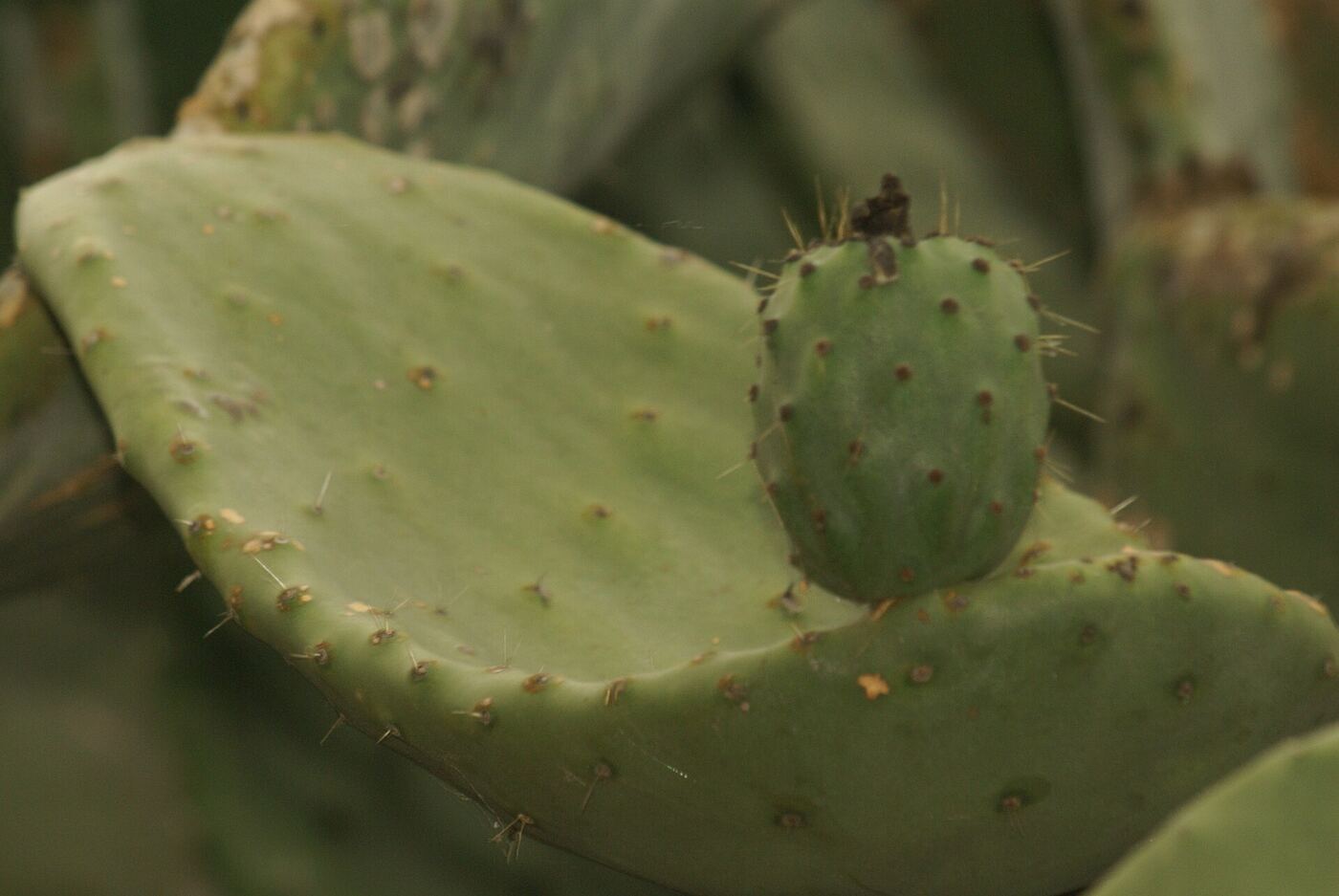
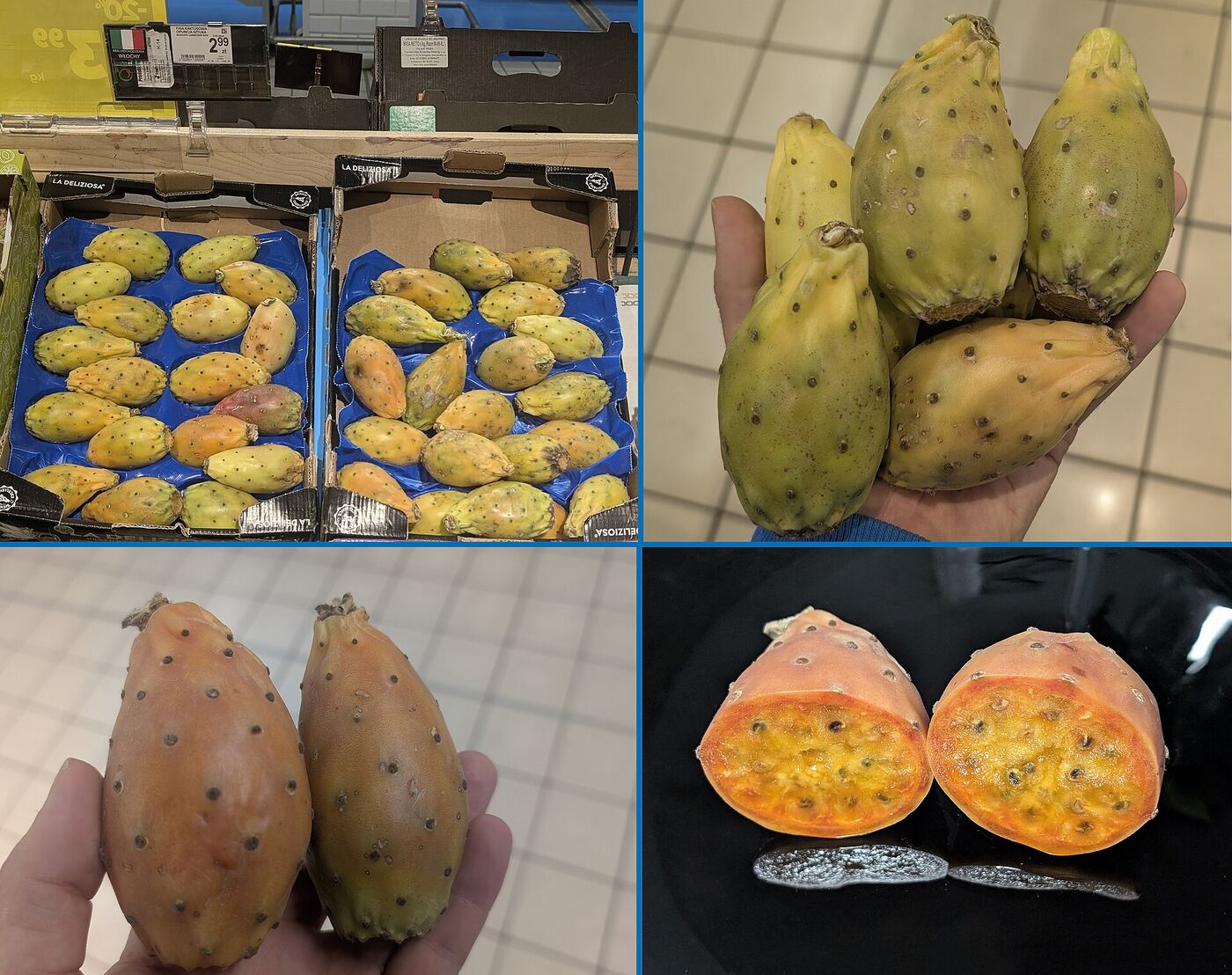
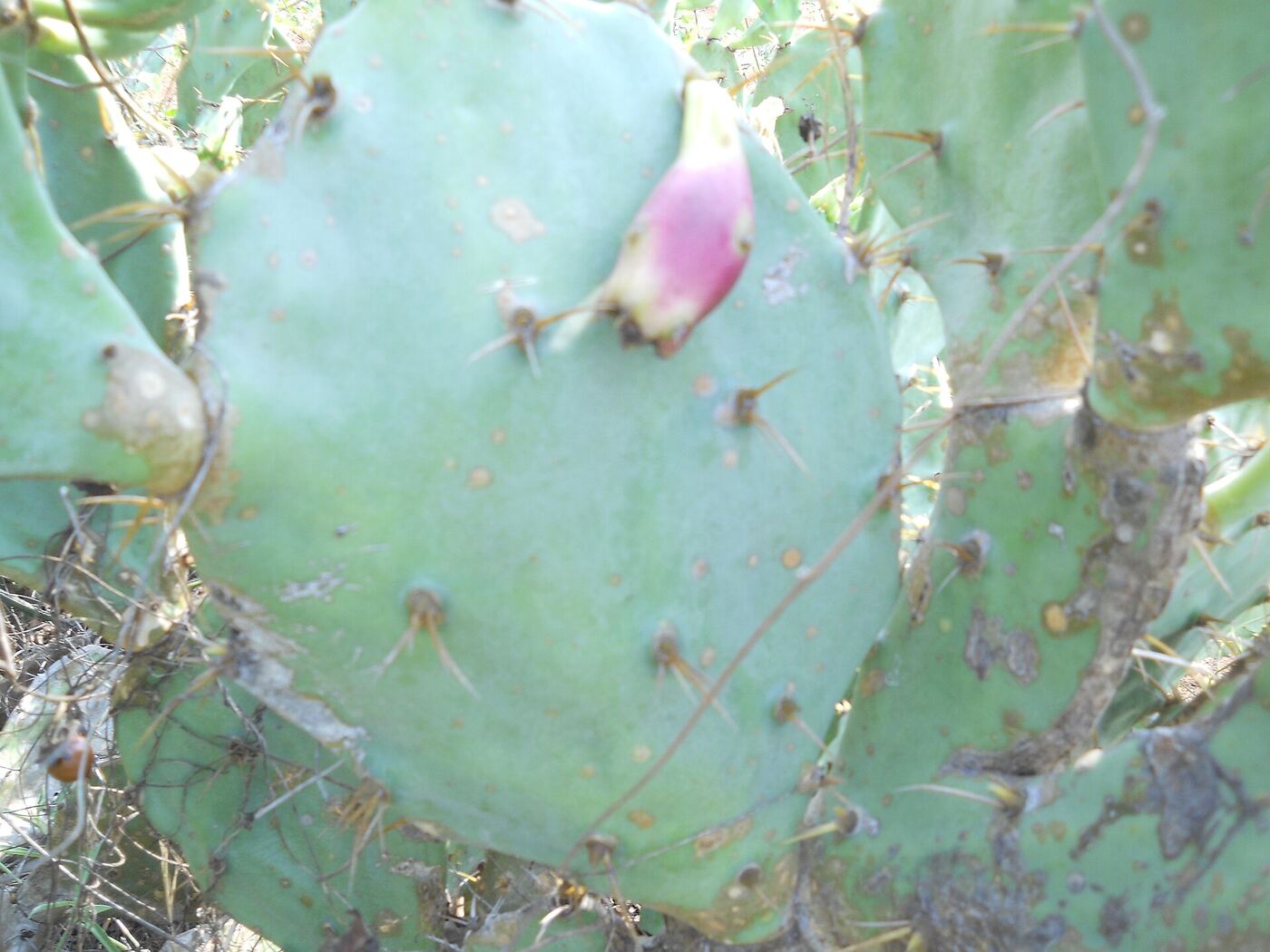
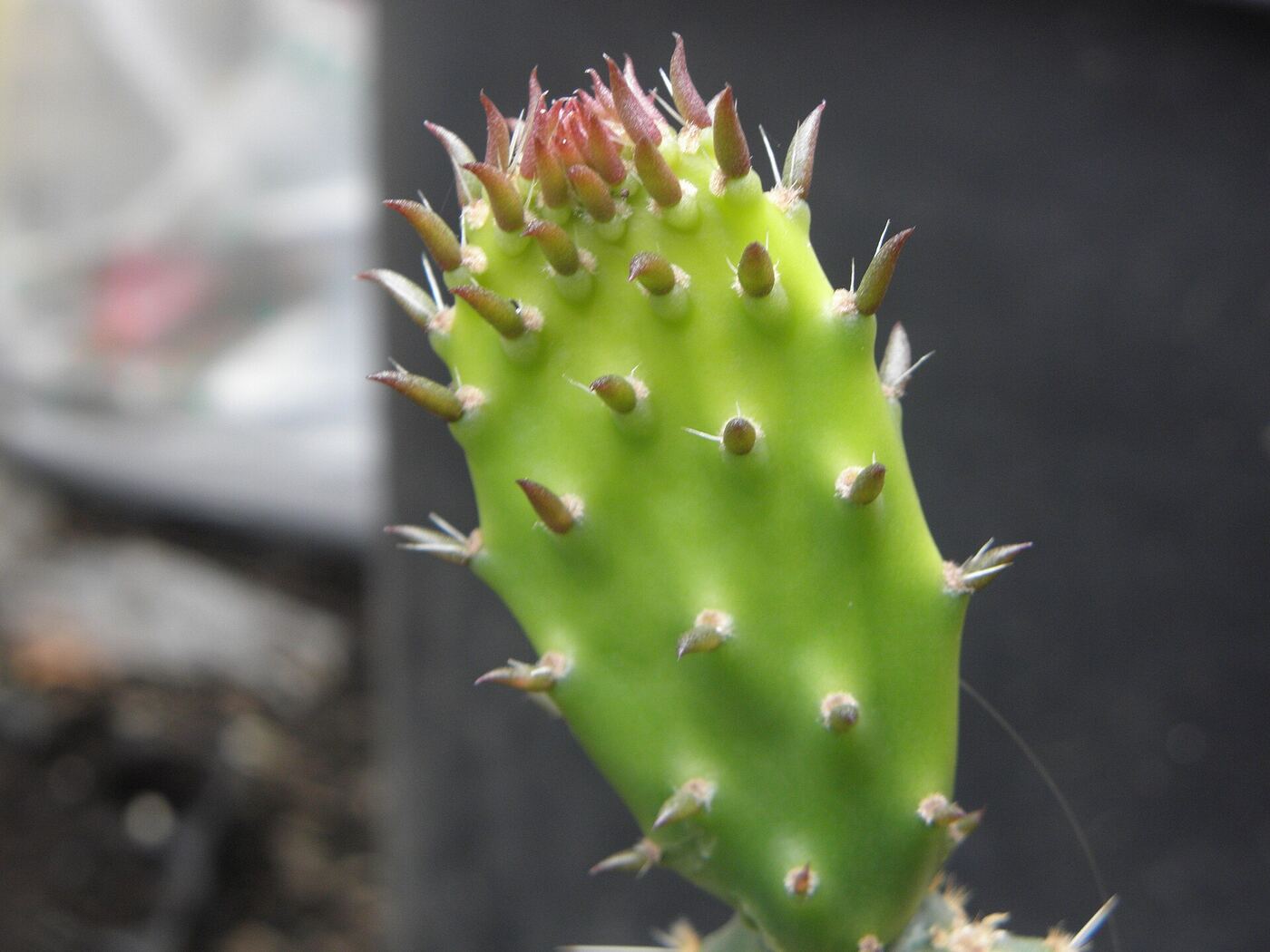
Almost every product labelled "cactus gel" or "cactus soothing gel" lists Opuntia Ficus-Indica Stem Extract on the label. Opuntia ficus-indica is the prickly pear, also called the Indian fig or Barbary fig. It grows across Mexico, the Mediterranean, North Africa and parts of Asia, and its fruit and pads (nopales) are eaten as food.
The flat green "leaves" are actually stems called cladodes. They store water inside a slippery substance called mucilage, a mix of complex sugars (polysaccharides) that binds water. That mucilage is the reason cactus extract appears in skincare.
What is actually in a cactus gel?
A typical cactus soothing gel looks simple, but it is a formulated product. Expect to see:
- Opuntia ficus-indica stem extract as the main ingredient, often first on the list.
- Humectants such as glycerin or butylene glycol, which help hold water in the top layer of skin.
- A thickener, commonly carbomer, that turns a watery extract into a gel.
- A neutraliser such as arginine or sodium hydroxide to set the gel's pH.
- Preservatives such as 1,2-hexanediol or caprylyl glycol, which stop bacteria and mould from growing in a water-based product.
- Optional extras: allantoin, panthenol, centella asiatica, aloe vera or fragrance.
A label that says "95% cactus" usually means 95% of the formula is cactus extract, which is itself mostly water from the plant. That is not a bad thing; it just means the percentage is less dramatic than it sounds. Our ingredient list guide walks through a real label.
What can cactus gel do for skin?
Here is what is reasonable to expect, based on what the ingredients are and what studies have looked at:
- Light hydration. Water plus humectants add moisture to the outer layer of skin. A review of Opuntia applications describes a formula with 1% Opuntia extract that increased the water content of the outer skin layer for several hours compared with the base formula.
- A soothing, cooling feel. Gels evaporate slightly and feel cool, which many people find comfortable on warm or tight-feeling skin.
- A non-greasy texture. Gels suit oily skin, hot weather and layering under sunscreen or makeup.
What about repair? Cell studies show Opuntia mucilage helping skin cells close a "scratch" in a dish, and rat studies show polysaccharide extracts speeding wound healing. These results are interesting, but they come from controlled lab models, not from a cosmetic gel on human faces. We would not rely on cactus gel to heal anything.
What cactus gel cannot do
- It is not sunscreen and offers no meaningful UV protection.
- It does not treat acne, eczema, rosacea, psoriasis, infections or scars.
- It is not a rich moisturiser for very dry skin on its own; you usually need an occlusive cream on top.
Cactus gel vs aloe vera gel
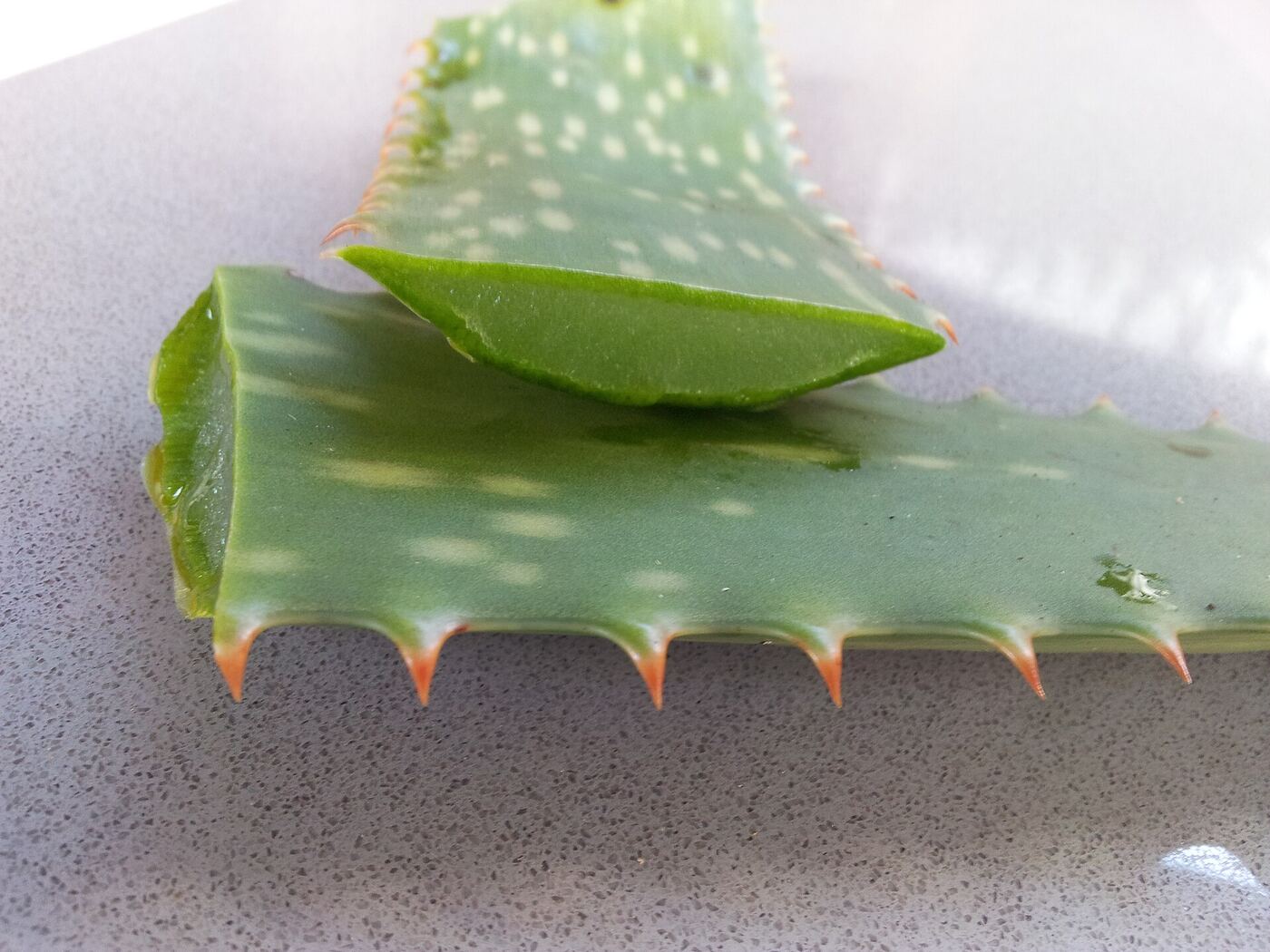
They are often confused because both are clear succulent gels. Aloe has more human research behind it, while prickly pear extract is newer in skincare. Read the full comparison: cactus gel vs aloe vera gel.
How to use it
Apply a thin layer to clean skin, let it absorb for a minute, then follow with moisturiser and, in the morning, sunscreen. For step-by-step routines see how to use cactus gel on your face.
Bottom line
Cactus gel is a pleasant, inexpensive, lightweight layer that adds hydration and comfort. The science on prickly pear is genuinely interesting, but it is early. Buy it for how it feels, not for medical promises.
Frequently asked questions
Is cactus gel the same as aloe vera gel?
No. Aloe vera is a succulent from a different plant family. Cactus gel is usually based on prickly pear (Opuntia ficus-indica) extract, although some products blend both.
What is cactus gel used for?
Mainly as a lightweight hydrating and soothing layer on the face and body, after sun exposure, after shaving, or as a light moisturiser for oily skin.
Is cactus gel natural?
The key extract is plant-derived, but a stable gel also needs water, humectants such as glycerin, a thickener and preservatives. That is normal and makes the product safer to use.
Does cactus gel have scientific evidence?
Laboratory and animal studies on Opuntia polysaccharides are encouraging for hydration and skin repair, but large human trials on finished cactus gels are lacking.
Sources
- The polysaccharide and low molecular weight components of Opuntia ficus indica cladodes: structure and skin repairing properties (Carbohydrate Polymers)
- Effect of polysaccharides from Opuntia ficus-indica cladodes on the healing of dermal wounds in the rat (Phytomedicine)
- An updated review: Opuntia ficus indica chemistry and its diverse applications (Applied Sciences, MDPI)
- Opuntia spp.: characterization and benefits in chronic diseases (review, PMC)
Medical note: this article is general information, not medical advice. For a rash, burn, wound, infection or any skin condition that worries you, talk to a doctor, pharmacist or dermatologist. Read our disclaimer.