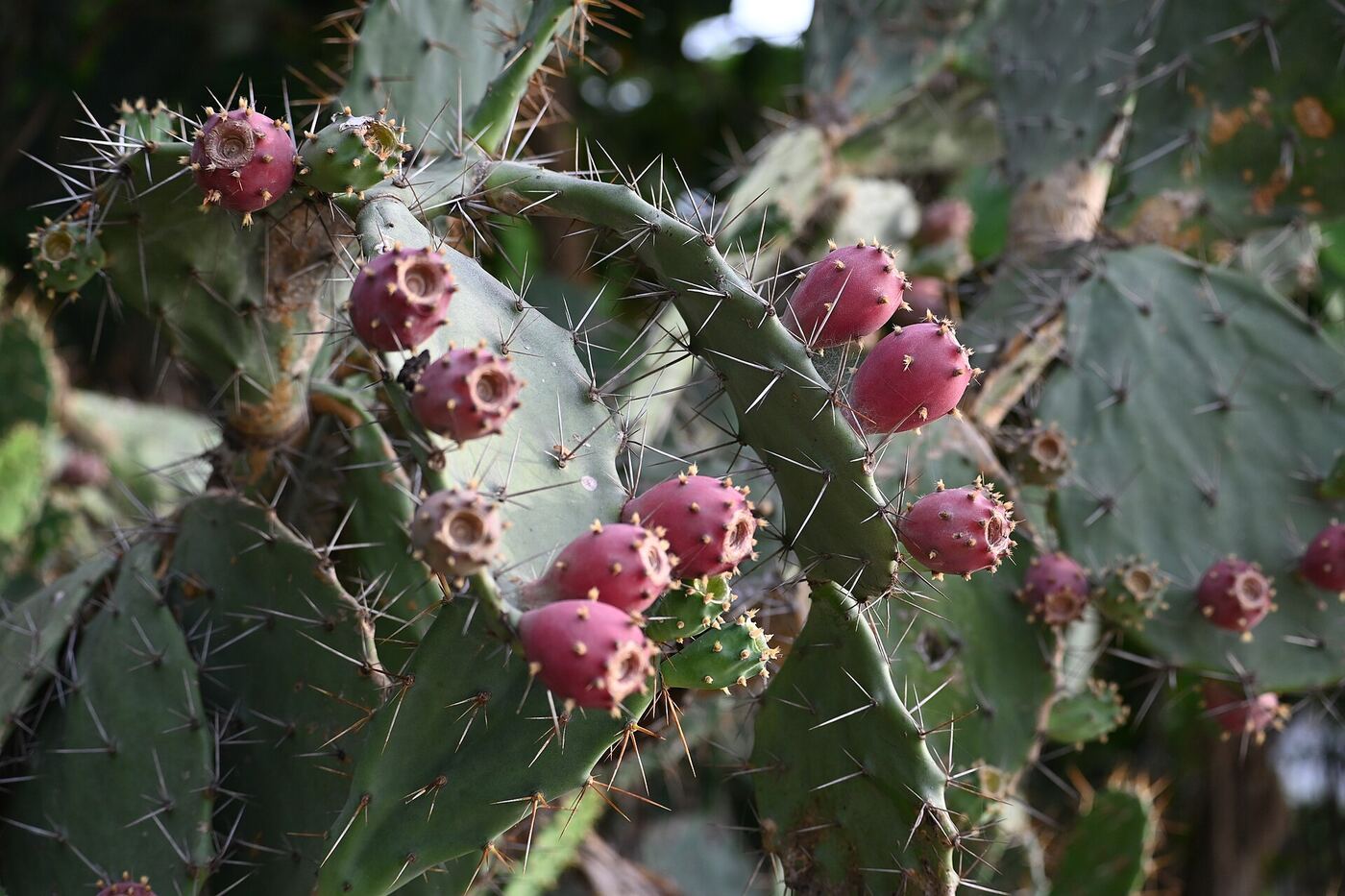
Everything you need to know about cactus gel for skin, face and hair
Prickly pear cactus gel is one of skincare's gentlest soothers. We dig into what it is, what studies actually show, and how to use and buy it without the hype.
Find the guide for your skin
Six hubs, from daily face routines to reading an ingredient list. Every guide says where the evidence is strong and where it is not.
Most-read cactus gel guides
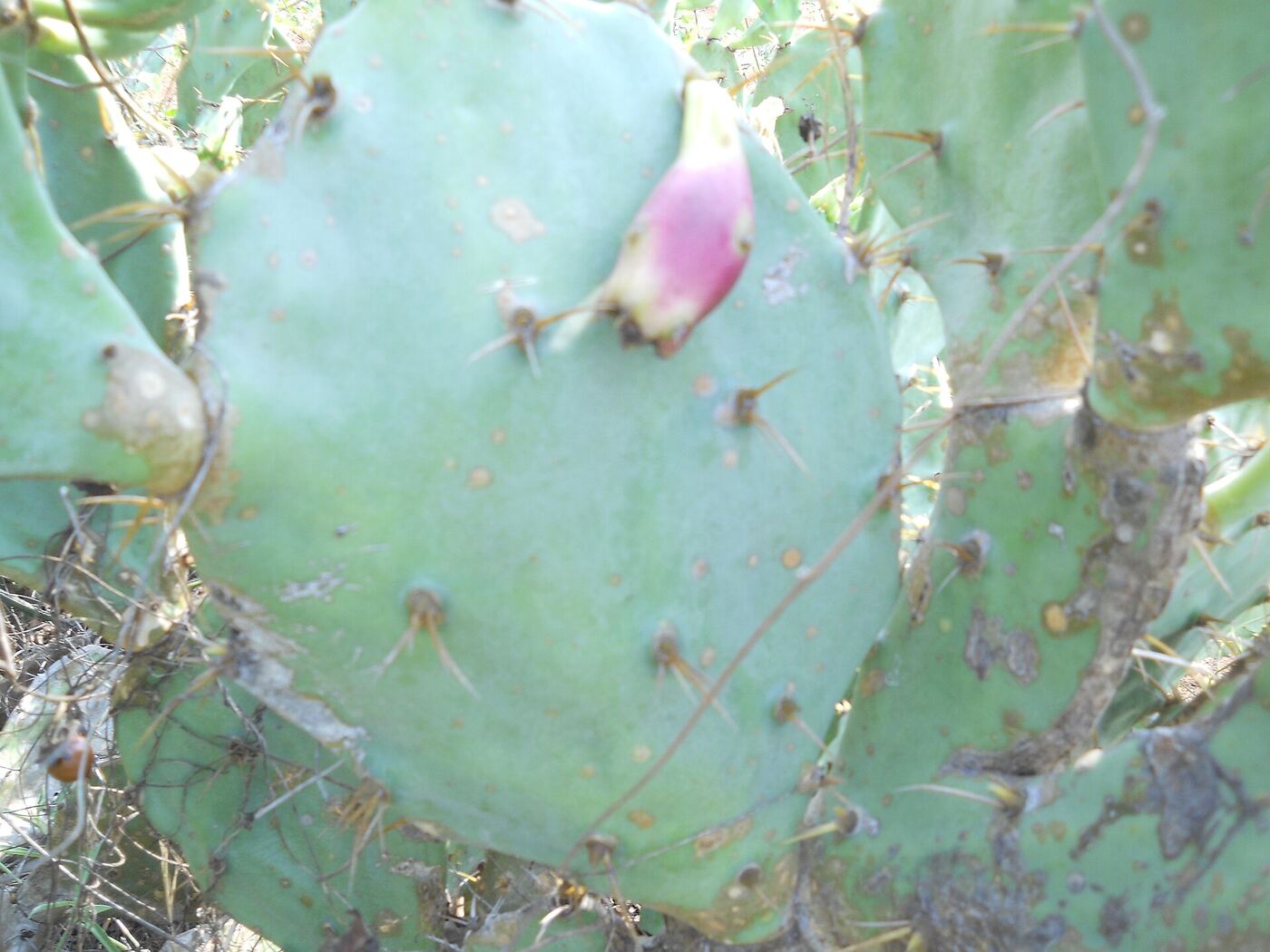
What is cactus gel?
Cactus gel explained: what's in it, which cactus it comes from, how it differs from aloe, and what research does and doesn't show for skin.
Read guide →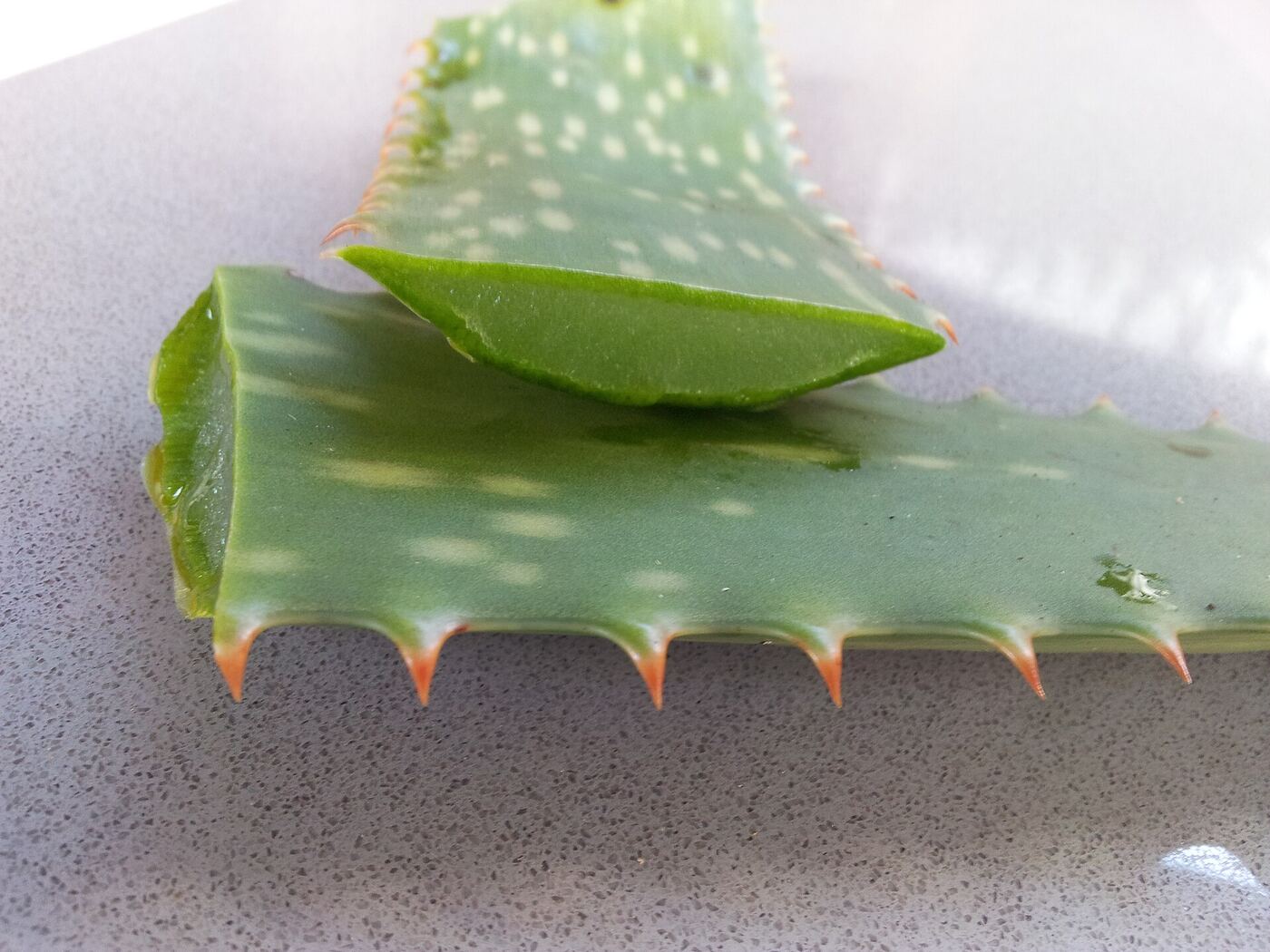
Cactus gel vs aloe vera gel
Prickly pear cactus gel and aloe vera gel compared: plant source, texture, research, safety and which to choose for oily, dry or sunburned skin.
Read guide →
Cactus gel for your face
Step-by-step: how to use cactus gel on your face, where it fits in your skincare routine, how much to apply and common mistakes to avoid.
Read guide →
Cactus gel after sun
Can cactus gel soothe sunburn? What dermatologists recommend after too much sun, how to use a cooling gel, and when a sunburn needs a doctor.
Read guide →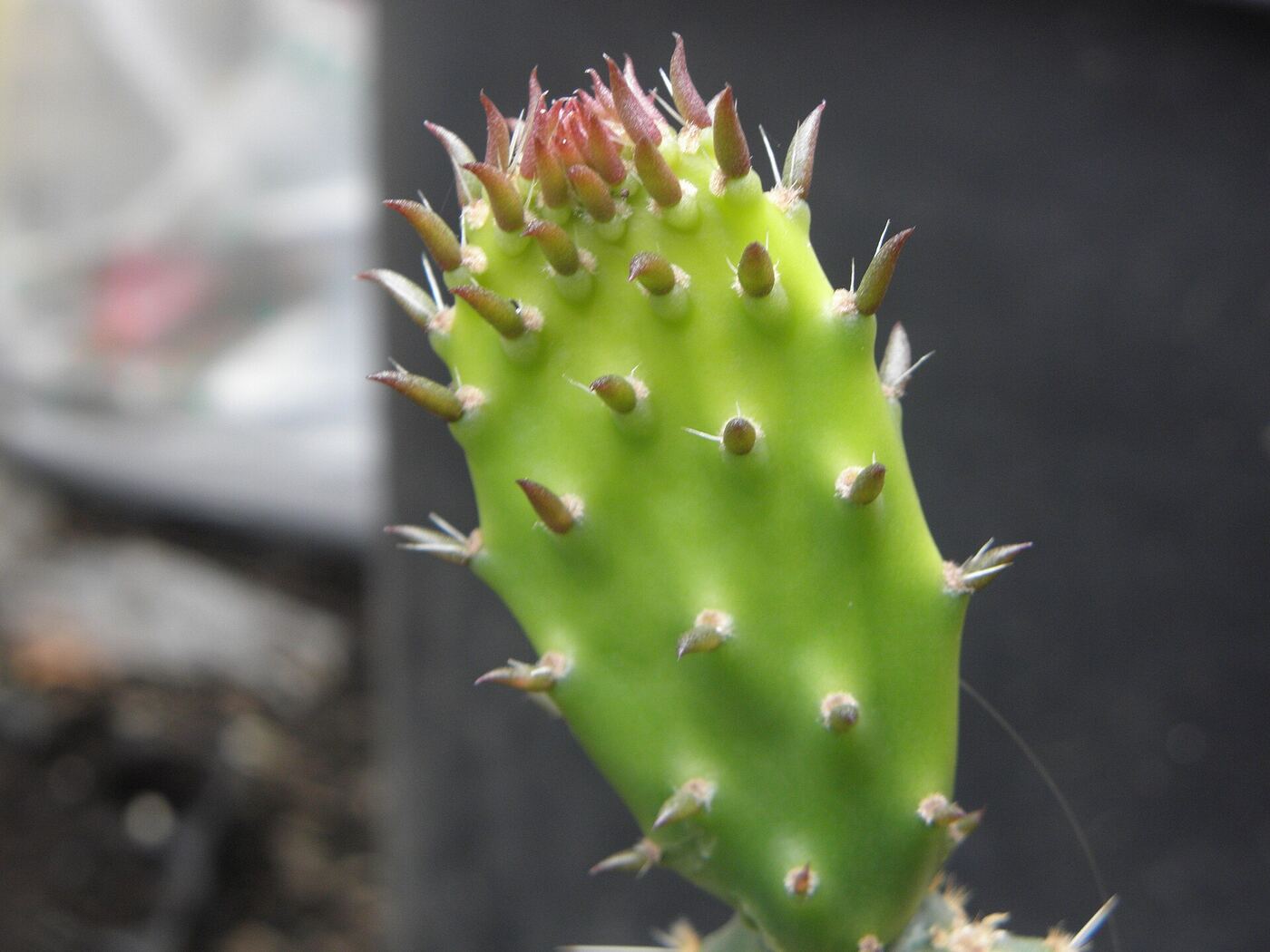
Cactus gel for oily skin
Cactus gel is light and non-greasy, which suits oily skin. Here is what it can and cannot do for acne-prone skin, and how to use it without clogging.
Read guide →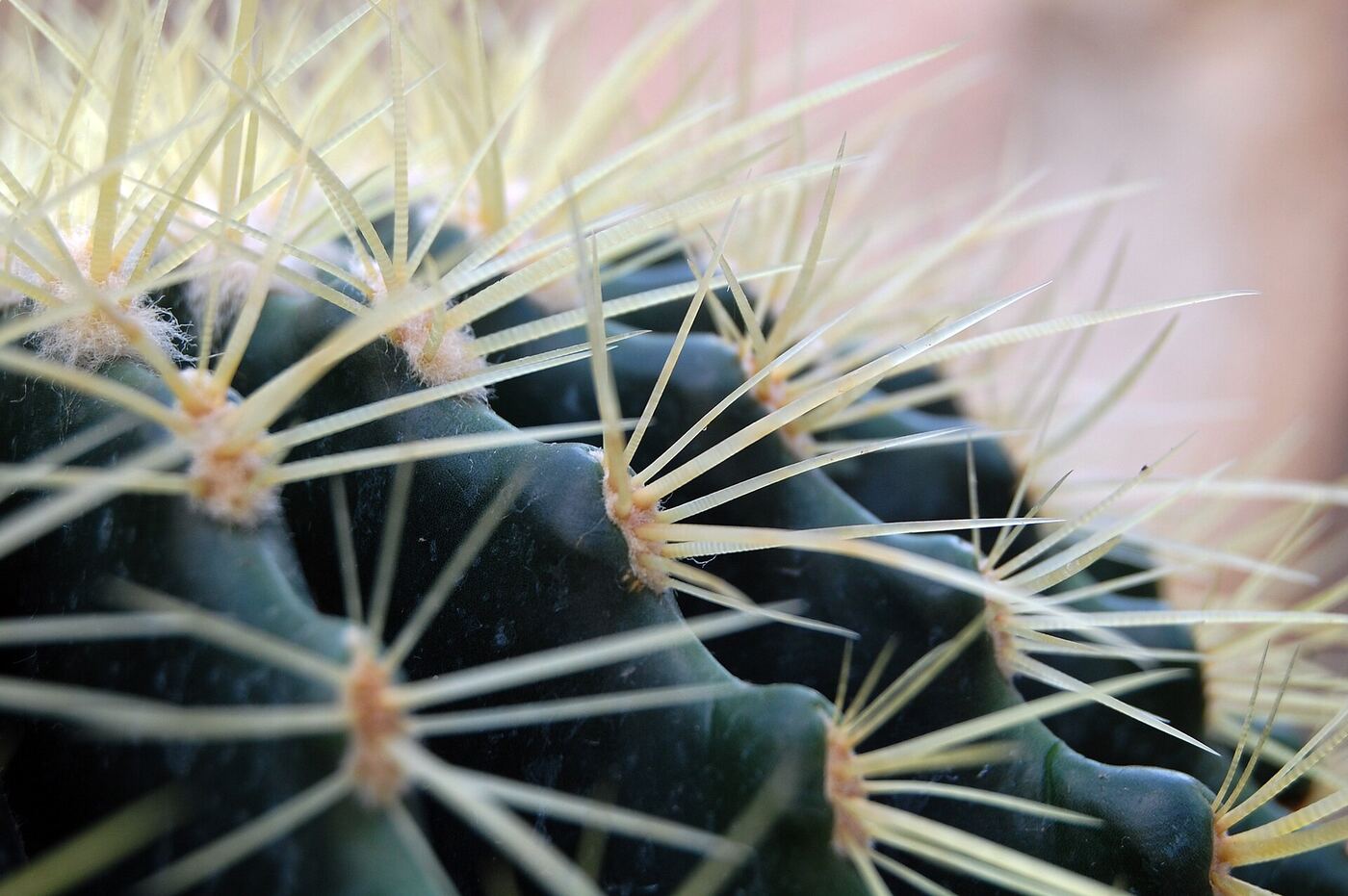
Is cactus gel safe?
Cactus gel is usually well tolerated, but reactions happen. Learn possible side effects, who should take care, and a simple patch test routine.
Read guide →A water-binding gel from the prickly pear cactus
Most products sold as "cactus gel" or "cactus soothing gel" are built on Opuntia ficus-indica, the prickly pear. Its flat pads (cladodes) are full of mucilage: a slippery mix of polysaccharides that holds water.
Lab and animal studies suggest that mucilage can support skin repair and hydration. Large human trials are still scarce, so we treat cactus gel as a pleasant, lightweight hydrator and soother rather than a cure for anything.
Read the full explainer
No miracle claims. Just what holds up.
Cactus gel is a cosmetic, not a medicine. We separate lab results from human results, link our sources, and flag when you should see a professional instead.
Key claims point to studies on PubMed, PMC and reputable health bodies.
We tell you whether a finding comes from cells, animals or people.
We earn from some AliExpress links and always say so. It never changes our verdict.
Latest articles
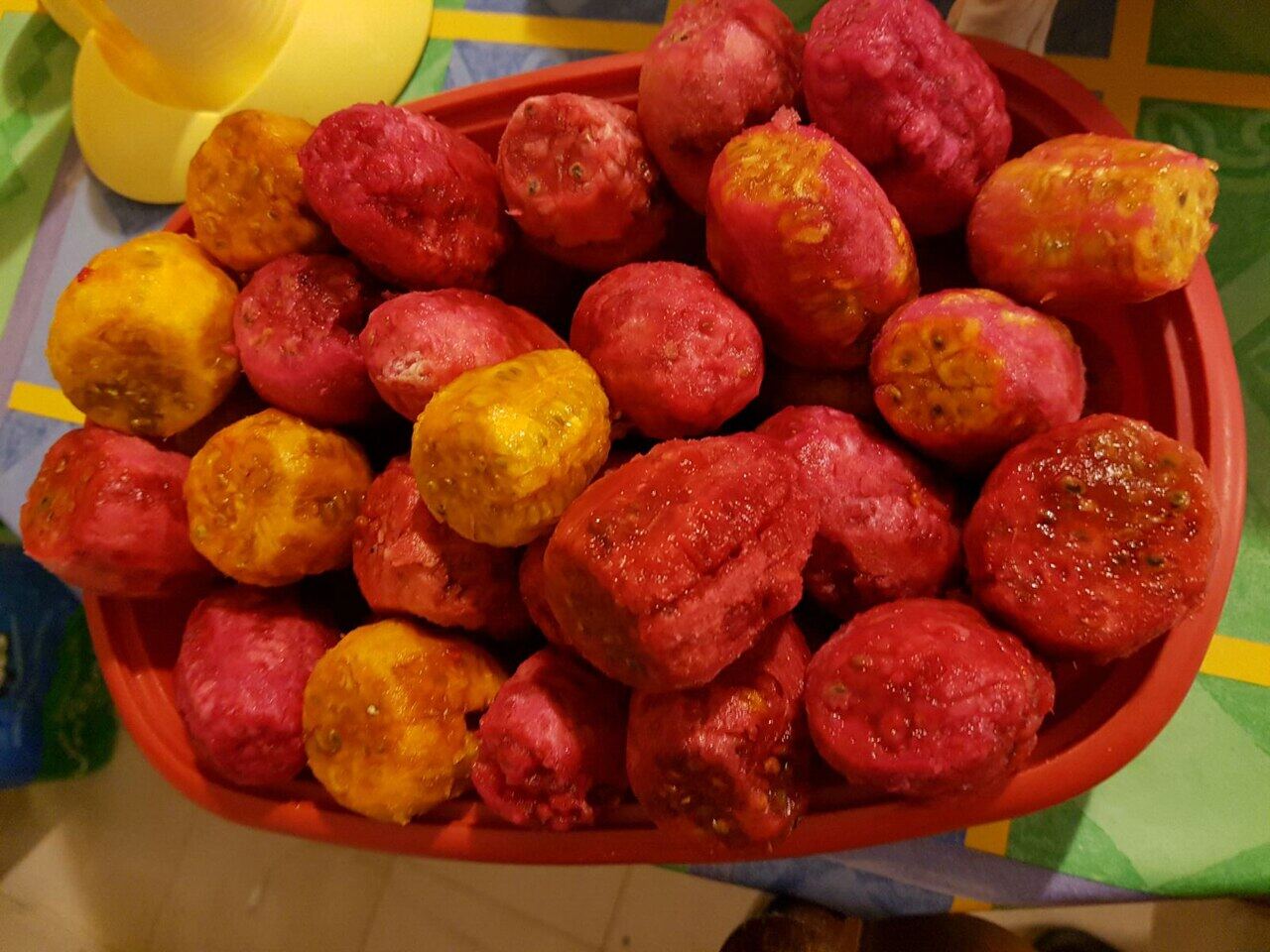
Buying cactus gel on AliExpress
How to buy cactus gel, prickly pear oil and soothing skincare on AliExpress safely: seller checks, ingredient photos, shipping, heat and returns.
Read guide →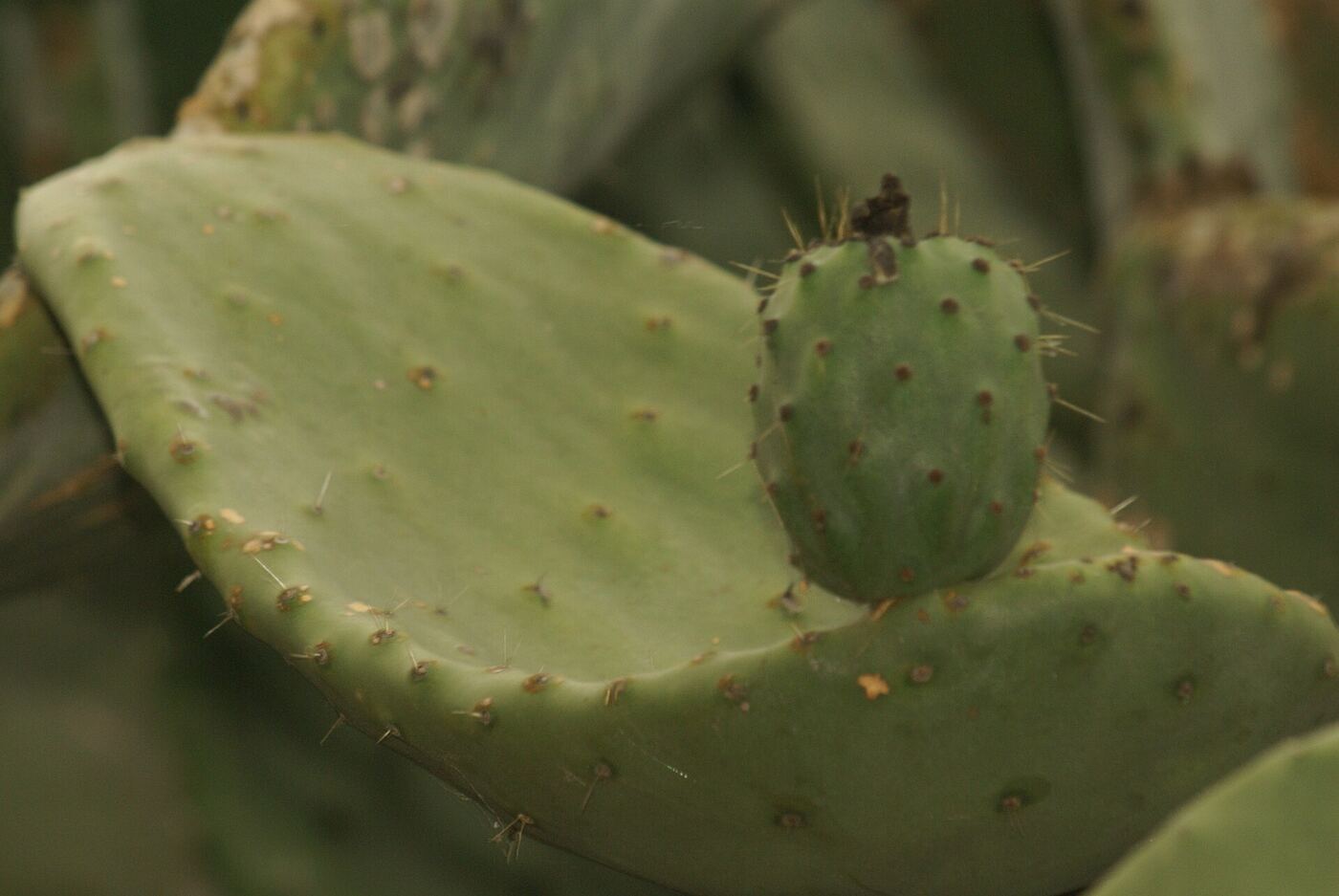
Opuntia stem extract explained
What Opuntia Ficus-Indica Stem Extract is, how it is made, what studies show for skin hydration and repair, and how to spot it on an INCI list.
Read guide →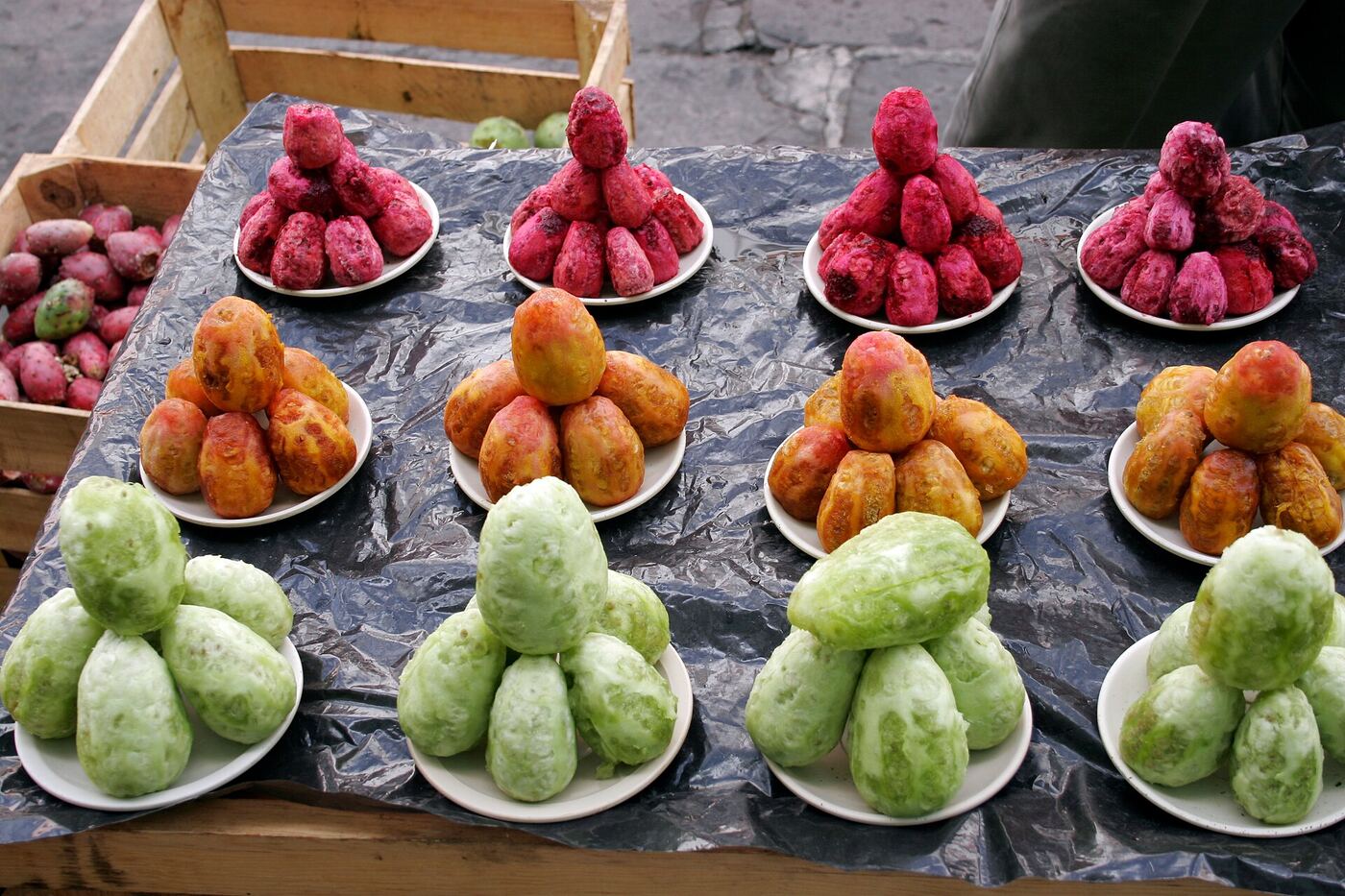
How to choose a cactus gel
A practical buyer's guide to cactus gel: ingredients to look for, red flags, sizes, price and which type suits oily, dry and sensitive skin.
Read guide →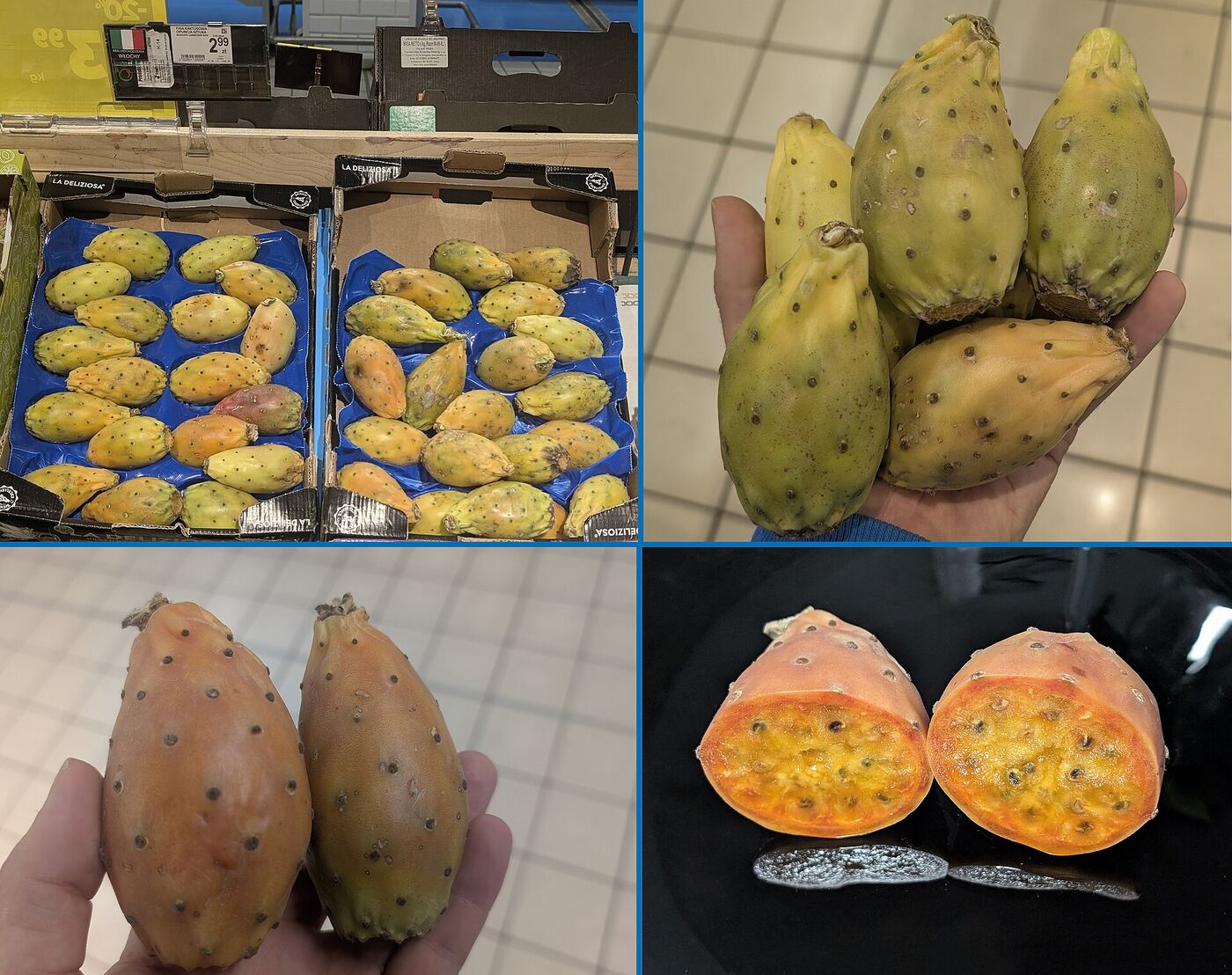
Prickly pear oil vs cactus gel
Prickly pear seed oil and cactus gel both come from Opuntia, but one is an oil and one is a water gel. Here is when to use each and how to layer them.
Read guide →
Cactus gel for hair & scalp
Can cactus gel help hair growth, dandruff or a dry scalp? An honest look at prickly pear for hair, plus practical ways to use a soothing gel on hair.
Read guide →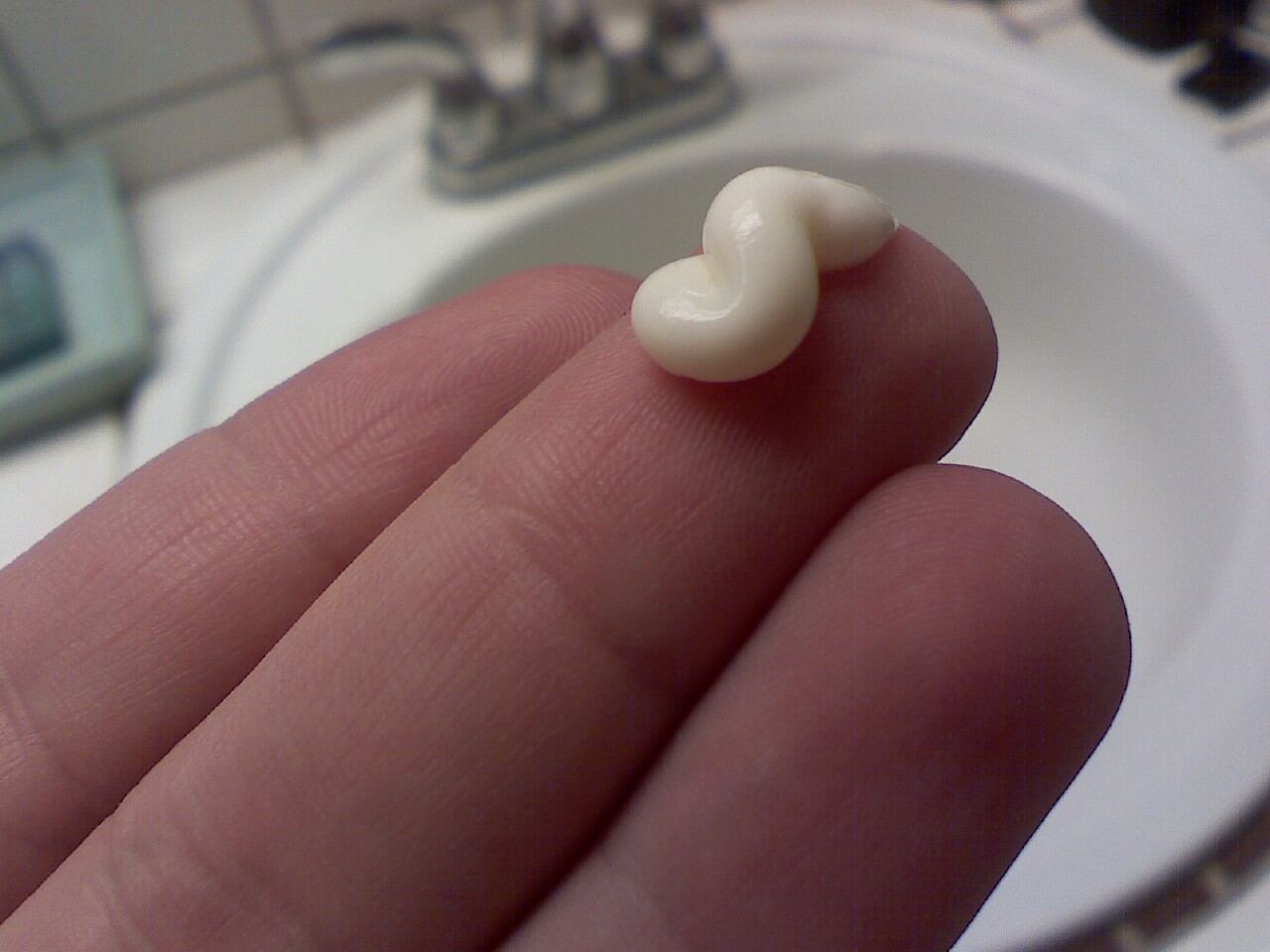
Cactus gel for dry skin
Can cactus gel help dry skin? Yes, if you layer it correctly. Learn the difference between dry and dehydrated skin and how to seal in hydration.
Read guide →Ready to try cactus gel?
Browse cactus soothing gels, prickly pear seed oils and gel moisturisers on AliExpress. Read the label checklist first so you know what to look for.