On this page
Quick verdict
For research and sunburn comfort, aloe vera has the edge. For a light, everyday hydrating layer, cactus gel and aloe gel feel very similar and the rest of the formula matters more than the plant. If one irritates you, try the other.
Two different plants
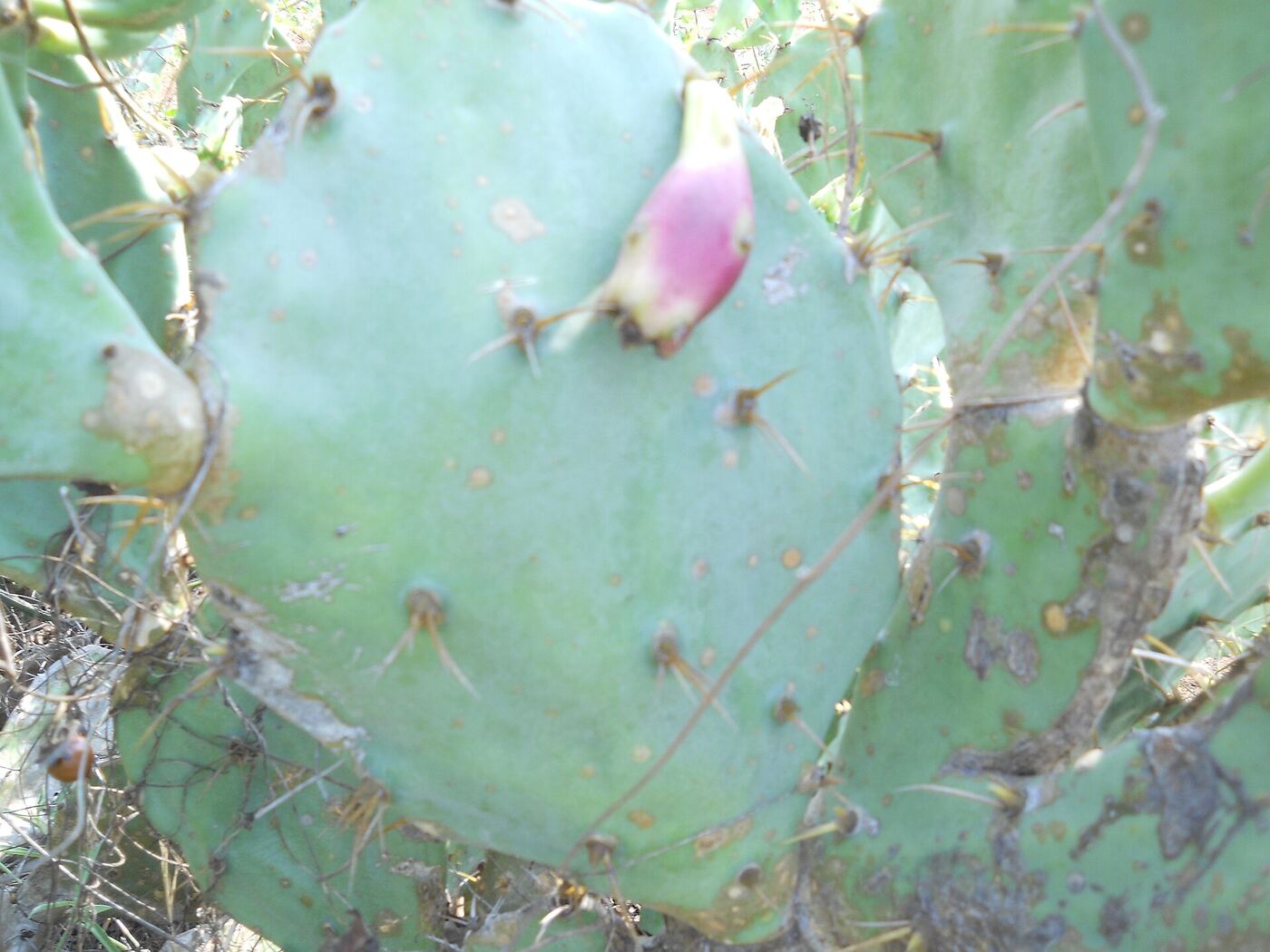
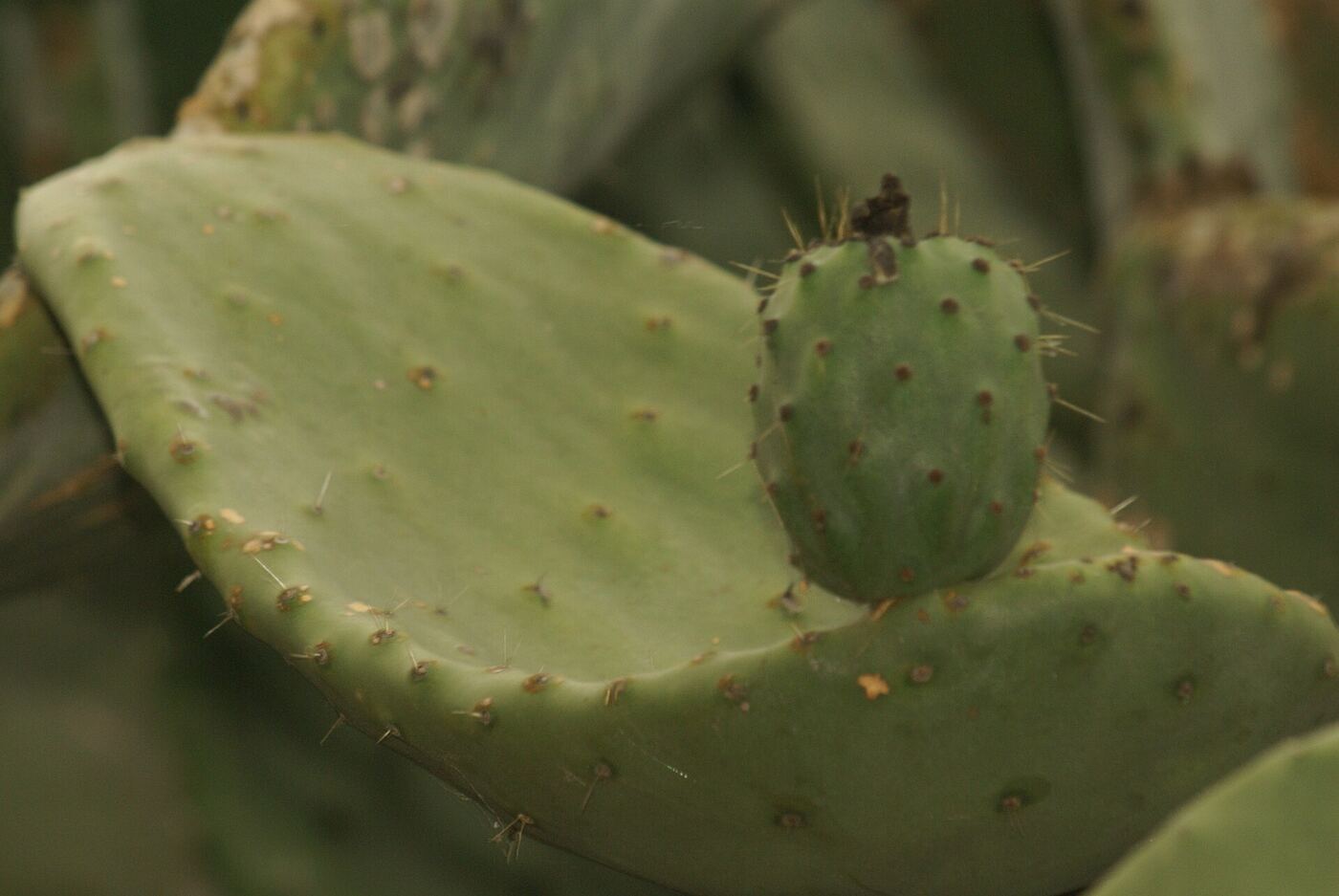
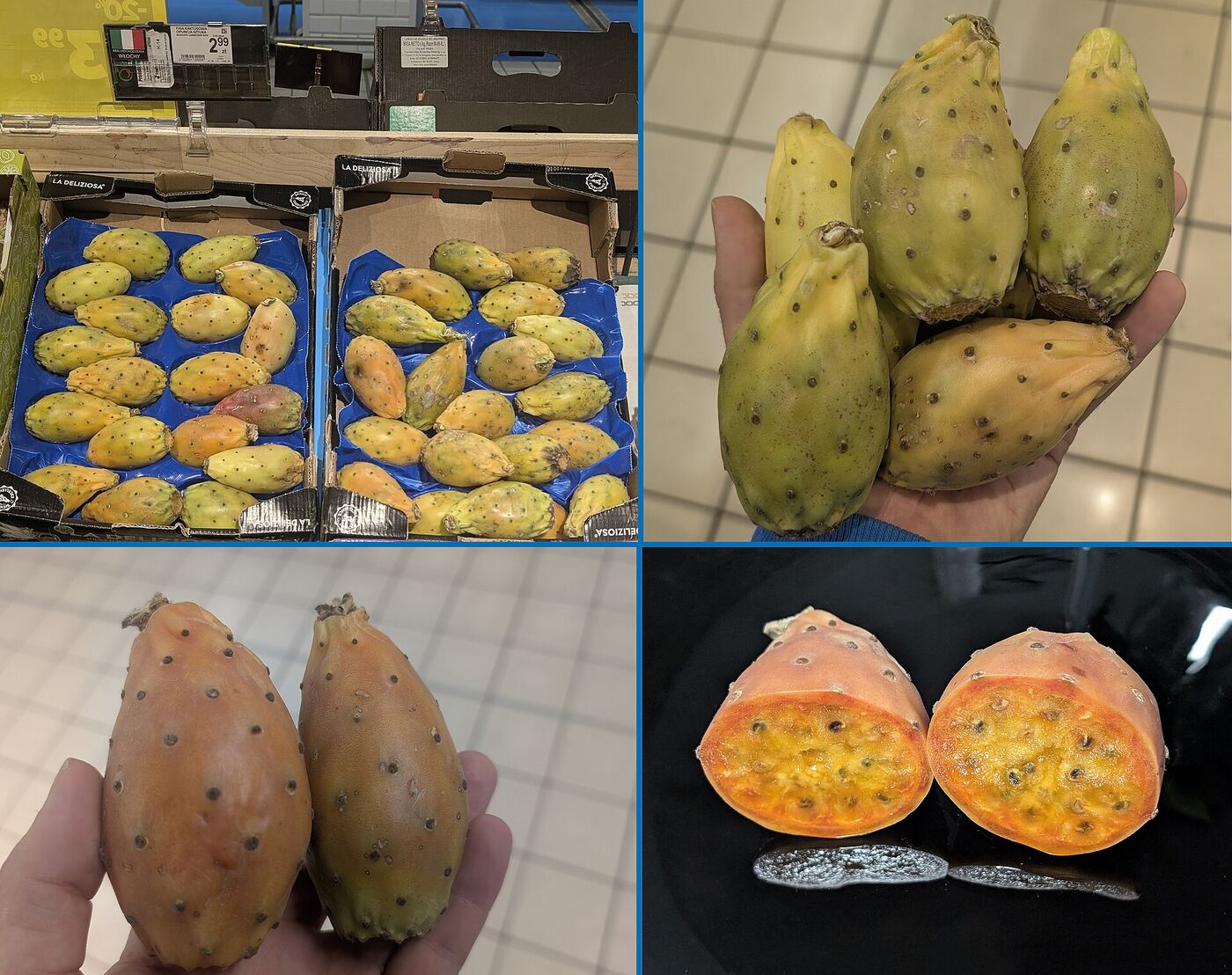
Prickly pear (Opuntia ficus-indica) is a true cactus. Skincare uses extract from its flat pads (cladodes).
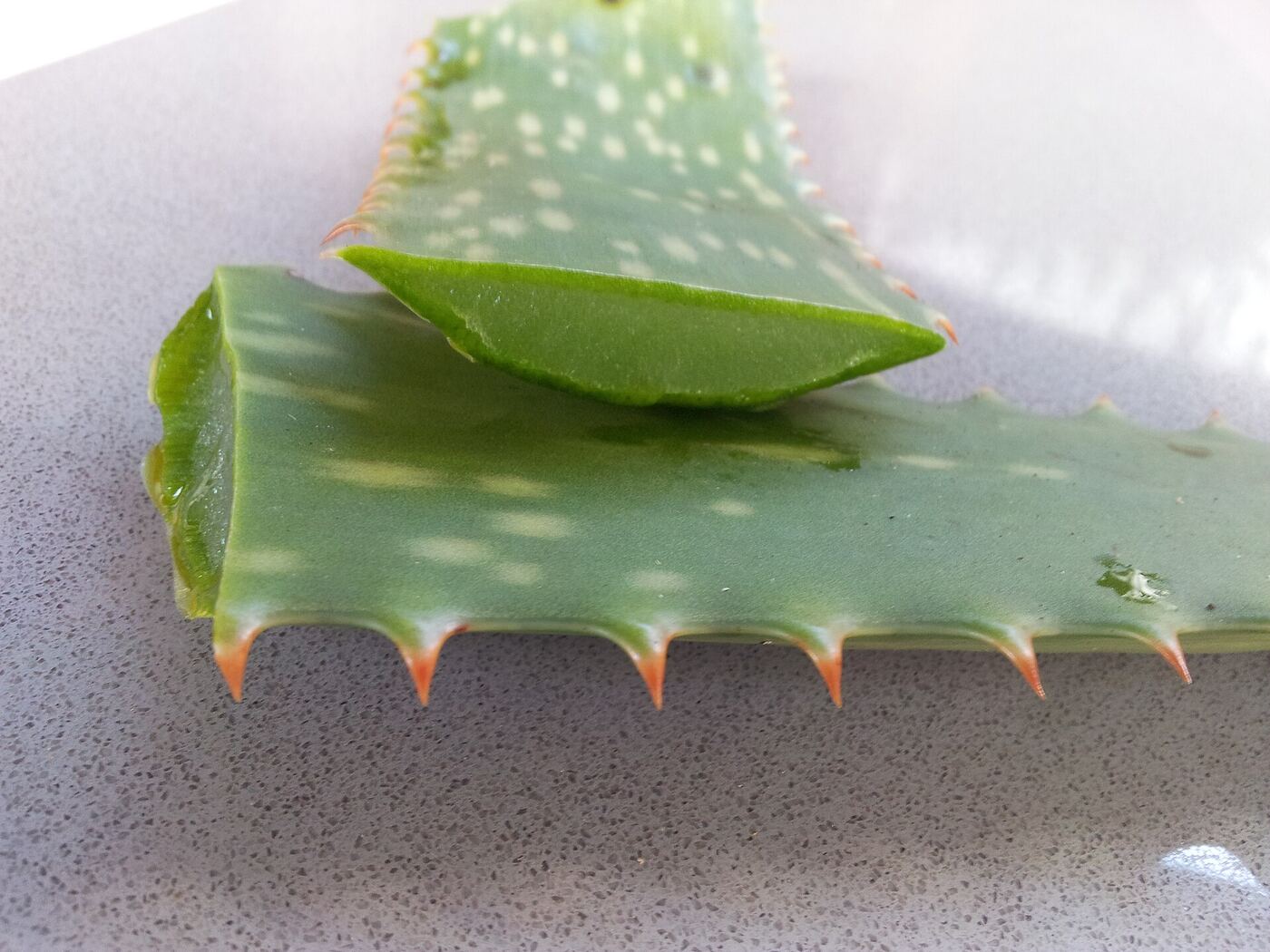
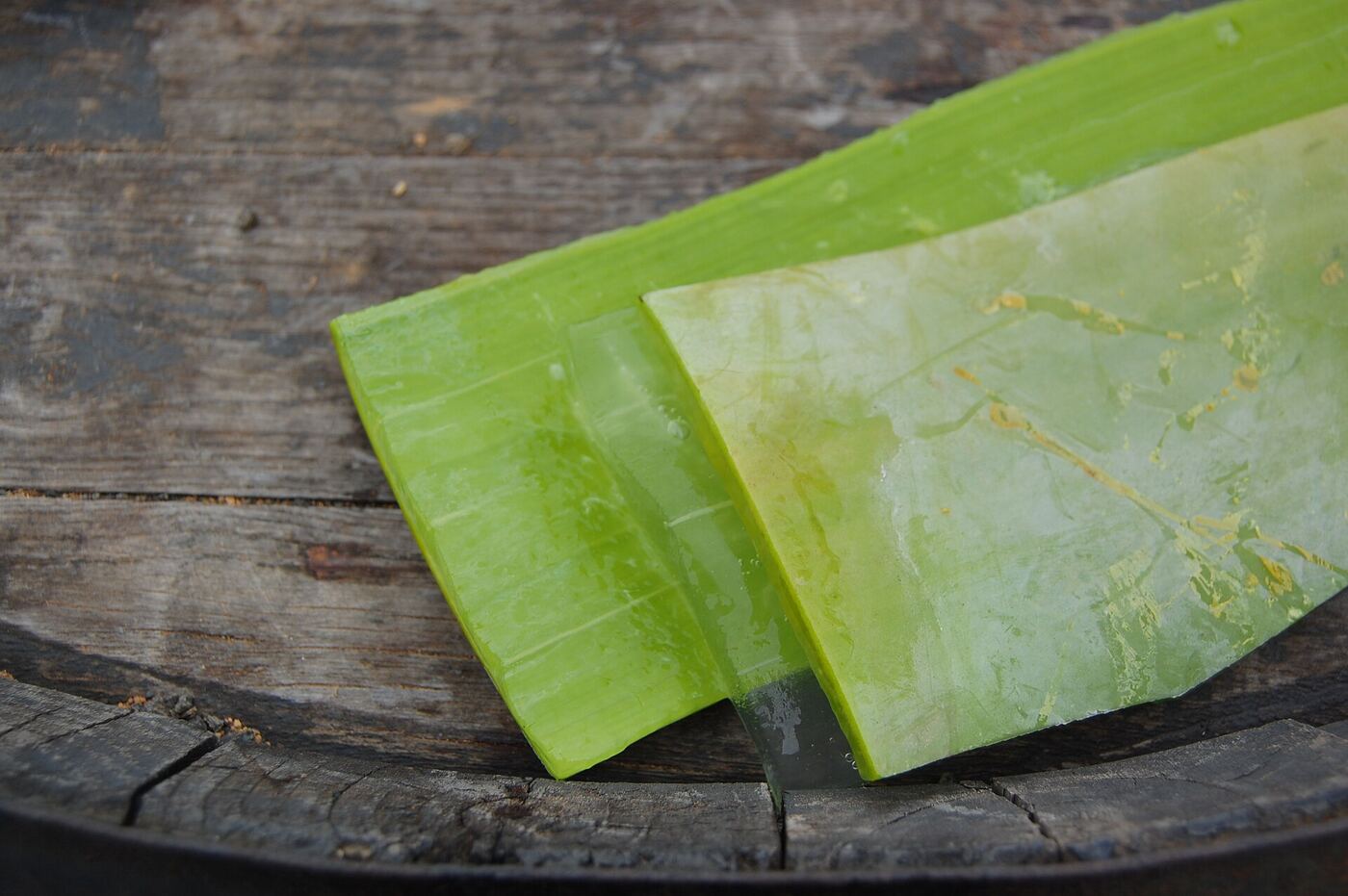
Aloe vera (Aloe barbadensis) is a succulent from a different family. The US National Center for Complementary and Integrative Health describes it as a "cactus-like plant". Its thick leaves contain a clear inner gel, and a bitter yellow latex just under the skin.
Side-by-side comparison
| Cactus gel (prickly pear) | Aloe vera gel | |
|---|---|---|
| Plant family | Cactaceae (true cactus) | Asphodelaceae (succulent) |
| INCI name to look for | Opuntia Ficus-Indica Stem Extract | Aloe Barbadensis Leaf Juice / Extract |
| Main hydrating components | Mucilage polysaccharides | Polysaccharides, mostly water |
| Human research for skin | Limited | More, including burns and acne as add-on |
| Typical feel | Light, cooling, quick-absorbing | Light, cooling, can feel slightly tacky |
| Common in | K-beauty soothing gels | Pharmacy after-sun, multi-use gels |
What the research says
Aloe vera
NCCIH summarises that clinical research suggests topical aloe gel may speed burn healing and reduce burn-related pain, and that two small studies suggest aloe gel combined with other treatments may improve acne. It also notes occasional reports of burning, itching and rash.
Prickly pear
Most Opuntia skin research is laboratory or animal work. Rat studies found polysaccharide extracts from the pads sped up wound healing, and a formulation study reported increased skin water content with a 1% extract. These are promising but not equivalent to human clinical trials.
Which should you choose?
- Oily or combination skin, hot climate: either works; pick the one with the shorter ingredient list and no fragrance.
- After a day in the sun: aloe has more support, and a cool, fragrance-free gel of either kind can feel comforting. See our after-sun guide.
- Sensitive skin: choose fragrance-free and alcohol-free, and patch test. If aloe has ever made you itch, cactus extract is a reasonable alternative to test.
- Dry skin: neither is enough alone. Layer a cream on top. See cactus gel for dry skin.
A note on purity claims
Gels labelled "99% aloe" or "95% cactus" still need preservatives and thickeners. A very high percentage is not automatically better. What matters is a short, clear ingredient list, a sealed container and a reputable maker.
Frequently asked questions
Is aloe vera a cactus?
No. Aloe vera is a succulent in the Asphodelaceae family. Cactuses belong to the Cactaceae family. Aloe is often described as "cactus-like" because it also grows in dry climates and stores water.
Which is better for sunburn, aloe or cactus gel?
Aloe has more clinical research for burns. The American Academy of Dermatology suggests a moisturiser with aloe vera or soy for sunburned skin. Neither replaces medical care for blistering burns.
Can I use cactus gel and aloe vera together?
Yes. Many soothing gels already contain both. Patch test first if you have sensitive skin.
Sources
- Aloe vera: usefulness and safety (NCCIH, National Institutes of Health)
- How to treat sunburn (American Academy of Dermatology)
- An updated review: Opuntia ficus indica chemistry and its diverse applications (MDPI)
- Effect of polysaccharides from Opuntia ficus-indica cladodes on the healing of dermal wounds in the rat
Medical note: this article is general information, not medical advice. For a rash, burn, wound, infection or any skin condition that worries you, talk to a doctor, pharmacist or dermatologist. Read our disclaimer.